Understanding the process of trauma cleaning services in UK
What are some of the best trauma cleaners near me in UK?
UK Trauma Cleaning Helpline
Trauma cleaning is a critical aspect of restoring safety and cleanliness to environments affected by traumatic events. Whether it be biohazard incidents, crime scenes, or accidents, the need for thorough and professional cleaning services is paramount.

In this article, we will delve into the intricate process of trauma cleaning, exploring the importance of relying on specialist professionals, the various types of trauma that require cleaning, the meticulous assessment procedures involved, as well as the techniques, equipment, safety protocols, and emotional considerations essential in this challenging field.
By understanding the complexities of trauma cleaning, we can appreciate the vital role it plays in restoring spaces to a safe and habitable state after traumatic incidents occur.
1. Introduction to Trauma cleaning

The Definition of Trauma cleaning
Trauma cleaning involves the safe and thorough removal of biohazards, blood, bodily fluids, and other potentially infectious materials from a site where a traumatic event has occurred.
Importance of Proper Trauma cleaning
Proper trauma cleaning is crucial for ensuring the health and safety of individuals who may come into contact with the affected area. It also helps in preventing the spread of diseases and pathogens.
2. Importance of Professional Trauma Cleaning Services
The Role of Professional Trauma Cleaning Companies
Professional trauma cleaning companies have the expertise, training, and specialised equipment to handle biohazardous materials safely and effectively. They ensure that the cleaning process meets industry standards and regulations.
Benefits of Hiring Biohazard Cleaning Professionals
By hiring professionals for trauma cleaning, you can rest assured that the job will be done thoroughly and efficiently. Professionals also provide support and assistance to individuals and businesses during a challenging and emotional time.

3. Types of Trauma Requiring Cleaning
Biohazard Cleaning
Biohazard cleaning involves the removal and disposal of biological materials that pose a risk to human health, such as blood, bodily fluids, and tissues.
Crime Scene Cleaning
Crime scene cleaning involves the cleaning and decontamination of areas where violent crimes, accidents, or traumatic events have occurred. It requires specialist training and care to ensure proper handling of biohazards.
Accident Scene Cleaning
Accident scene cleaning involves the clean-up of areas where accidents, such as vehicle collisions or industrial mishaps, have resulted in biohazard material being present. It is essential to remove these materials safely and thoroughly.
Unattended Death Cleaning
Trauma cleaners specialist in unattended death cleaning and provide bespoke services to deal with undiscovered death and usually offer services such as sanitisation, odour deodorising and one off deep cleaning services as well as biohazard waste removal and decontamination services.

Hoarders Cleaning and Waste Removal Services
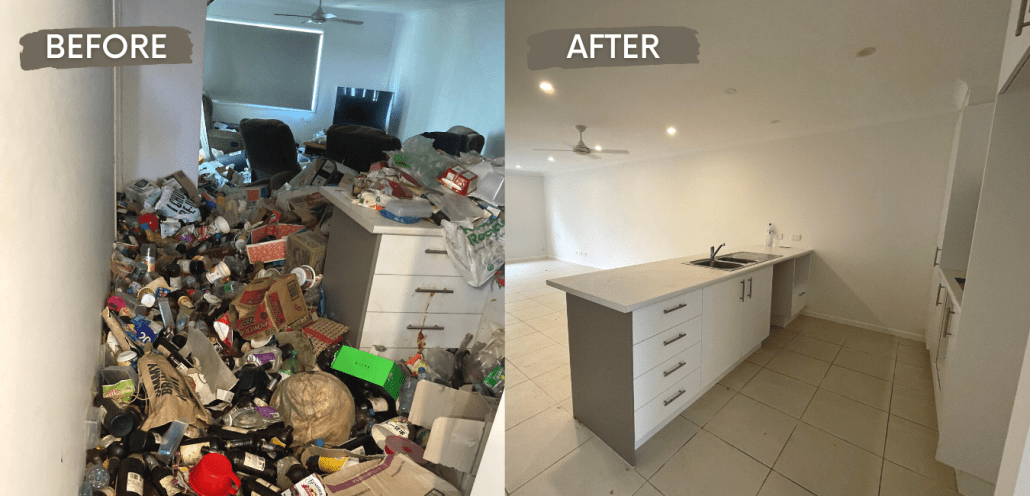
Cleaning services for hoarders usually offer them with a fresh start including removal of waste and ensuring all valued items and items of sentimental value are taken care of. Hoarders cleaning falls under biohazard cleaning and extreme cleaning services category and is designed to help hoarders in UK suffering from anxiety and depression.
4. Process of Trauma Scene Assessment
Initial Assessment and Safety Precautions
During the initial assessment, professionals evaluate the extent of the trauma, assess potential risks, and implement safety precautions to protect themselves and others. This step is crucial for developing a cleaning plan.
Documentation and Planning
Documentation of the assessment findings and planning the cleaning process are essential steps in ensuring that the cleaning is conducted efficiently and effectively. Proper documentation also helps in tracking the progress of the cleaning operation.

5. Techniques and Equipment Used in Trauma cleaning
Cleaning Techniques for Different Types of Trauma:
When it comes to trauma cleaning, different situations require different cleaning techniques. Whether it’s blood, bodily fluids, or hazardous materials, professionals use specialist methods to ensure thorough and safe cleaning.
Specialist Equipment and Tools:
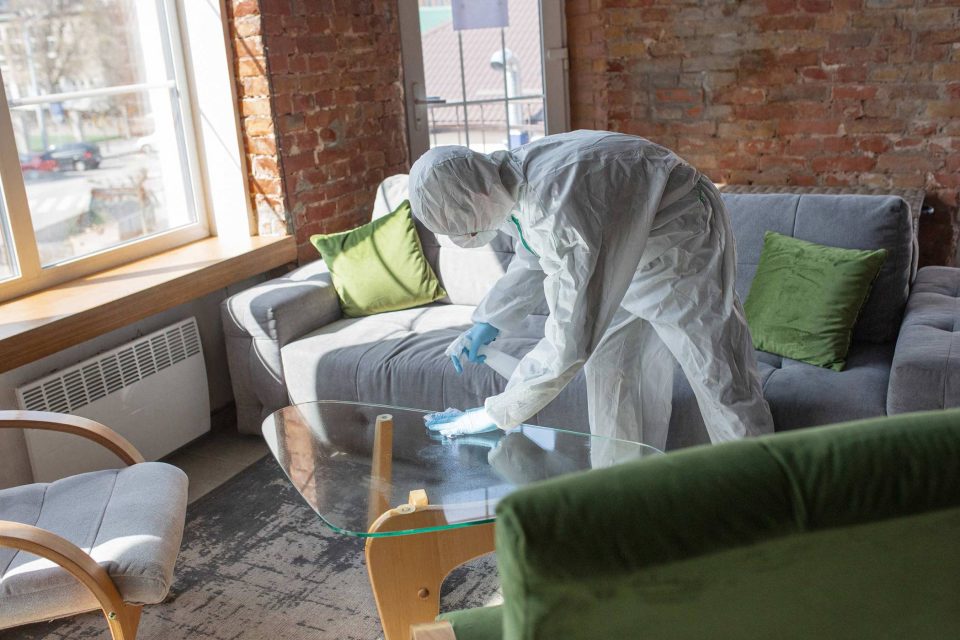
Trauma cleaning professionals are equipped with a range of specialist tools to effectively clean and disinfect trauma scenes. From personal protective gear to biohazard disposal containers, having the right equipment is essential for ensuring a successful cleaning operation.
6. Safety Protocols and Regulations in Trauma Cleaning
OSHA Guidelines for Trauma Cleaning:
The Occupational Safety and Health Administration (OSHA) has strict guidelines in place to regulate and ensure the safety of workers involved in trauma cleaning. These guidelines cover everything from handling hazardous materials to proper waste disposal protocols.

Personal Protective Equipment (PPE) Requirements:
Wearing the right personal protective equipment (PPE) is crucial in trauma cleaning to protect against exposure to harmful pathogens and contaminants. This includes gloves, masks, goggles, and coveralls to minimize the risk of contamination.
7. Emotional and Psychological Considerations in Trauma Cleaning
Dealing with Trauma-Related Stress and Emotions:
Trauma cleaning professionals often face emotionally challenging situations that can take a toll on their mental well-being. It’s essential to have coping mechanisms in place to deal with the stress and emotions that may arise during cleaning operations.
Support Systems for Trauma Cleaning Professionals:
Having a strong support system is key for trauma cleaning professionals to navigate the emotional toll of their work. Whether it’s access to counselling services or debriefing sessions with colleagues, having a support network can help maintain mental health and well-being.

8. Case Studies and Success Stories in Trauma Cleaning
Real-Life Examples of Trauma Cleaning Scenarios:
Case studies provide valuable insights into the challenges and successes of trauma cleaning operations. By examining real-life scenarios, professionals can learn from past experiences and improve their practices in handling similar situations.
Positive Outcomes and Impact of Professional Cleaning Services:
Despite the difficult nature of their work, trauma cleaning professionals play a crucial role in restoring safety and cleanliness to trauma scenes. By showcasing success stories and positive outcomes, we can appreciate the impact of professional cleaning services on individuals and communities in need.
In conclusion, the process of trauma cleaning is a crucial service that ensures the health and well-being of individuals and communities following traumatic events. By entrusting professional cleaning services, adhering to safety protocols, and acknowledging the emotional toll involved, we can effectively restore spaces affected by trauma.
Through continued education and awareness, we can support the dedicated professionals who provide these essential cleaning services and contribute to the healing and recovery processes in the aftermath of challenging circumstances.
It is highly recommended that you choose a specialist cleaning company to carry-out trauma cleaning, biohazard cleaning, cleaning after suicide and unattended death and let professional cleaners to deal with the unfortunate incident and help tackle contamination professionally.
FAQ
1. Can I perform trauma cleaning on my own?
A: As a professional biohazard cleaning company in UK, we recommend hiring biohazard cleaners instead.
2. What are the risks of not hiring professional trauma cleaning services?
A: Contamination from trauma scenes may be fatal. Hiring a trauma cleaning company can help.
3. How long does the trauma cleaning process typically take?
A: Depending on the type of trauma, trauma cleaners may complete work in a few hours to a few days.
4. Are there specific certifications or qualifications needed to become a trauma cleaning professional?
A: Trauma cleaners have wealth of knowledge, tools and equipment to provide complete trauma clean-up.