The Importance of Derelict Property Clean Up
Derelict properties, often characterised by neglect and disrepair, pose significant challenges to communities and property owners alike. These abandoned or underutilised spaces not only present health and safety hazards but also contribute to the deterioration of neighbourhoods and the decline of property values.
In this article, we will explore the critical importance of derelict property clean-up efforts, examining the risks and consequences of neglect, the legal frameworks governing such properties, effective strategies for revitalisation, community involvement in clean up initiatives, and successful case studies of property transformation.
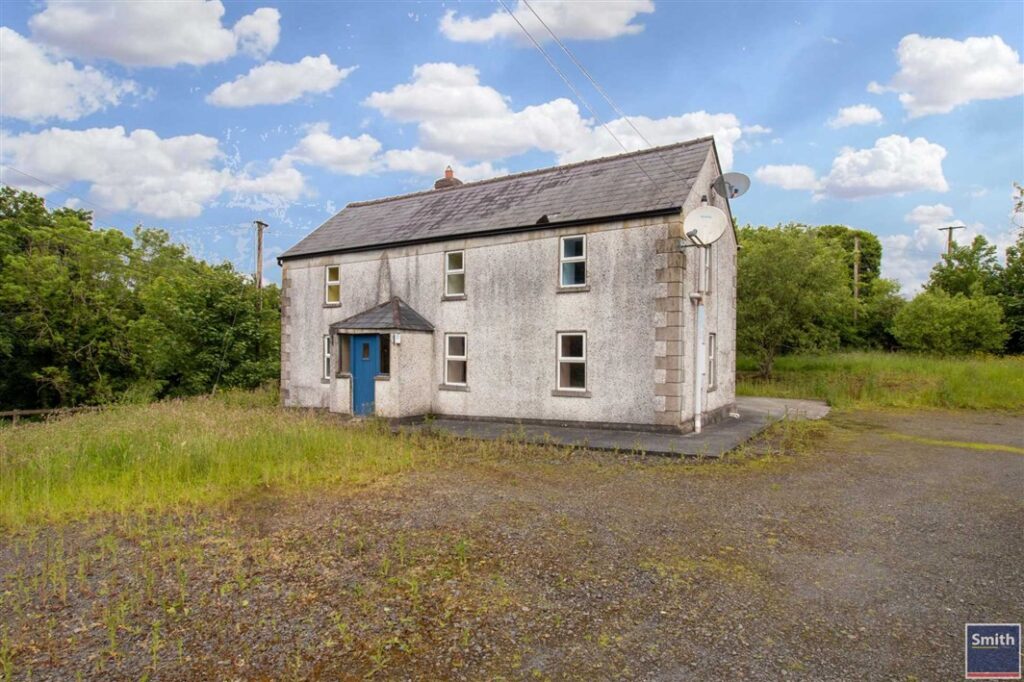
By understanding the impact of derelict properties and the avenues for their revitalisation, we can work towards creating safer, more vibrant communities for all.
Introduction to Derelict Properties
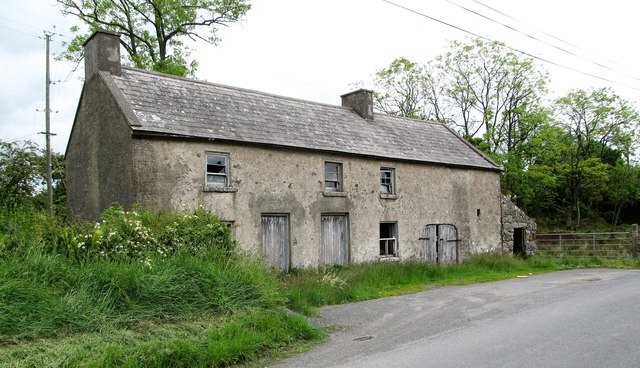
Ah, the land of forgotten buildings and neglected spaces – that’s where derelict properties reside. These are the places that time seems to have forgotten, with cracked windows and overgrown weeds as their only companions.
Defining Derelict Properties
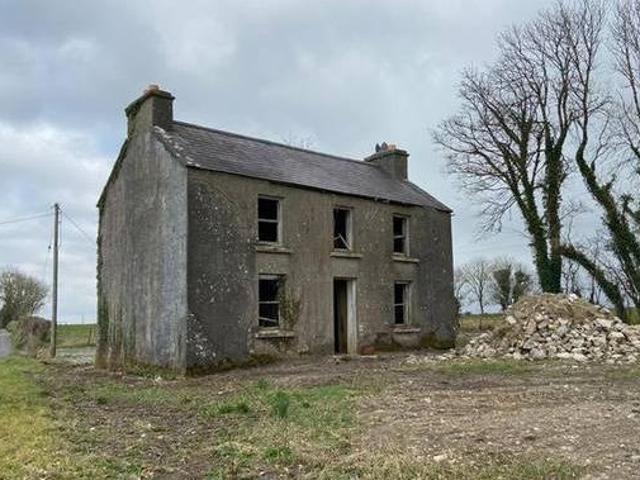
Derelict properties are like the black sheep of the real estate world – abandoned, neglected, and generally in a sorry state of disrepair. Think of them as the rebellious teenagers of the property realm, refusing to conform to society’s norms of upkeep and maintenance.
Scope of the Issue
The problem of derelict properties isn’t just a minor nuisance – it’s a full-blown epidemic affecting communities far and wide. From urban neighbourhoods to rural landscapes, these neglected properties cast a shadow over the areas they inhabit, creating eyesores and breeding grounds for various issues.
Risks and Consequences of Neglected Properties
When it comes to derelict properties, out of sight doesn’t mean out of mind. These neglected spaces can harbour a host of dangers and repercussions, ranging from health hazards to social blights. Hence you require a specialist cleaning company to carry out the complete clean up.
Health and Safety Hazards
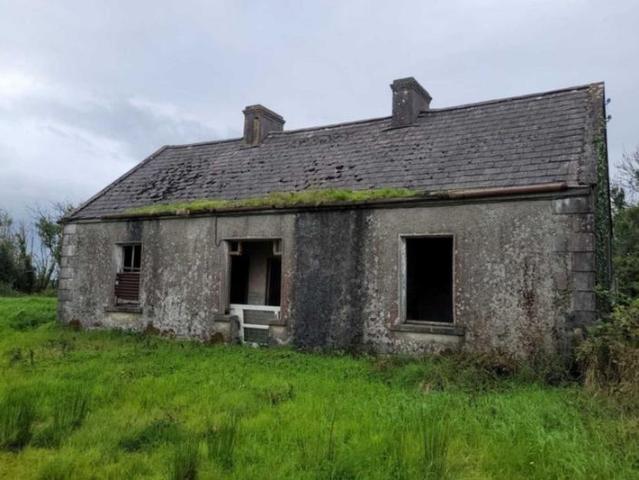
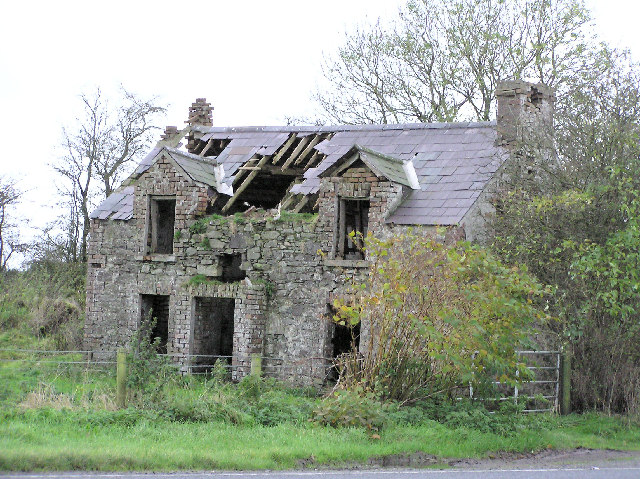
Peeling paint, asbestos-laden walls, and mould infested corners – derelict properties are a treasure trove of health hazards waiting to be unleashed. From physical injuries to respiratory ailments, these neglected spaces pose a significant risk to anyone who dares to venture inside.
Blight on Neighbourhoods
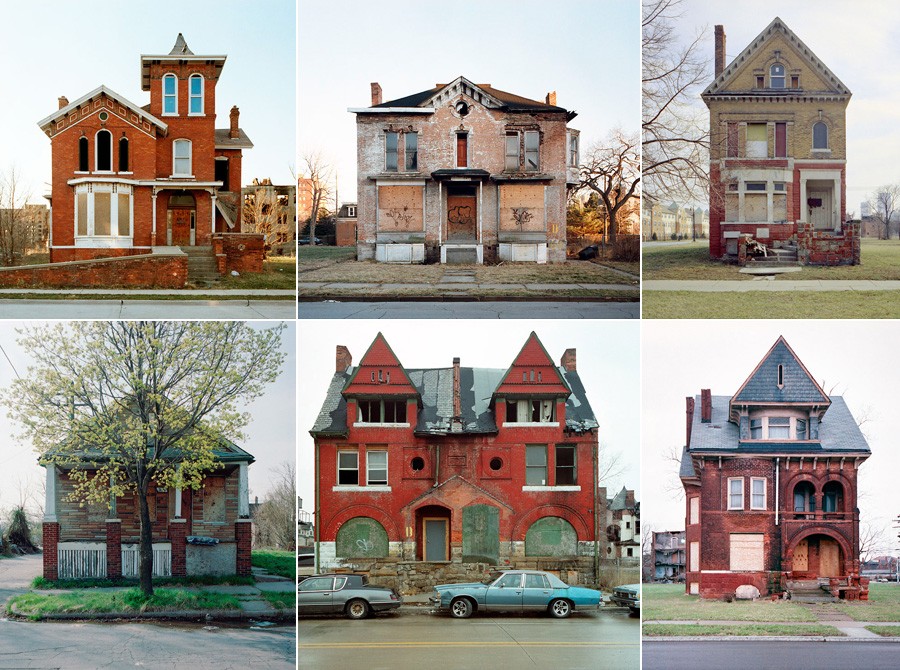
Picture-perfect neighbourhoods can quickly turn into scenes from a horror movie when derelict properties take root. These abandoned buildings not only drag down property values but also bring down the overall aesthetic appeal of an area, making it a less desirable place to live or visit.
Impact on Communities and Property Values
Derelict properties don’t just affect the building they inhabit – they cast a wide net of consequences that ripple through communities and property markets alike.
Social and Economic Disadvantages
Communities plagued by derelict properties often face social and economic challenges. From increased crime rates to decreased community pride, these neglected spaces can exacerbate existing issues and create new ones, further widening the gap between thriving and struggling neighbourhoods.
Decrease in Property Values
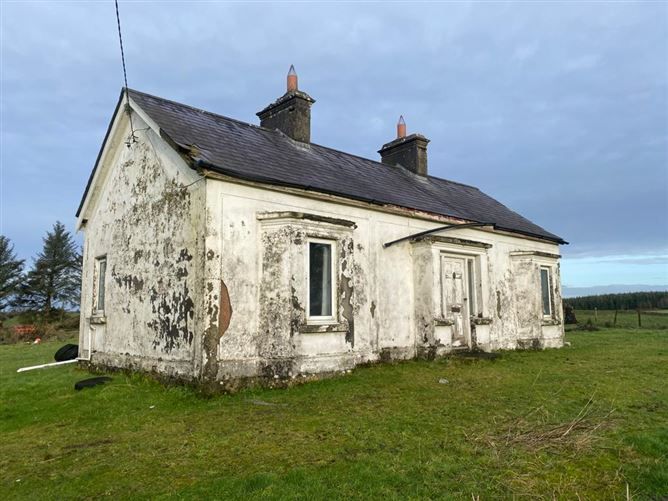
One derelict property in a neighbourhood can bring down the value of surrounding homes faster than you can say “fixer-upper.” Potential buyers steer clear, homeowners see their investments dwindle, and the cycle of decline continues until efforts are made to clean up and revitalise these neglected spaces.
Legal and Regulatory Framework for Derelict Property Clean Up
When it comes to taming the wild beasts of derelict properties, legal and regulatory measures play a crucial role in bringing order to the chaos.
Zoning and Code Enforcement
Zoning regulations and code enforcement mechanisms serve as the first line of defence against derelict properties. By setting standards for property upkeep and maintenance, these measures aim to prevent buildings from falling into disrepair and becoming eyesores in their communities.
Liability and Ownership Issues
Untangling the web of liability and ownership surrounding derelict properties can be like solving a real estate riddle. From absentee landlords to unclear property titles, these issues often complicate efforts to clean up and revitalize neglected spaces, requiring a mix of legal expertise and community collaboration to overcome.
Strategies for Effective Clean Up and Redevelopment
Assessment and Planning
Before diving into clean-up efforts, it’s crucial to assess the extent of the derelict property’s condition and create a detailed plan. This includes identifying potential hazards, determining clean-up methods, setting timelines, and establishing goals for the property’s revitalization.
Resource Allocation and Funding
Securing adequate resources and funding is key to successful clean-up and redevelopment projects. This may involve tapping into government grants, private investments, community fundraising, or partnerships with local organisations. Efficient allocation of resources ensures that clean-up efforts are carried out effectively within budget constraints.
Collaboration and Community Involvement in Clean Up Efforts
Engaging Stakeholders
Engaging stakeholders, including residents, businesses, local government, and non-profit organisations, is essential for garnering support and ensuring the success of clean-up initiatives. Communicating openly, addressing concerns, and involving stakeholders in decision-making processes fosters a sense of ownership and collective responsibility for the revitalisation of derelict properties.
Volunteer and Partnership Programs
Harnessing the power of community volunteers and forming partnerships with local businesses and organizations can significantly enhance clean-up efforts. Volunteer clean-up events not only expedite the process but also promote a sense of community pride and unity. Partnerships can bring in additional resources, expertise, and diversified perspectives to tackle complex clean-up challenges.
Case Studies of Successful Derelict Property Revitalisation
Urban Renewal Projects
Urban renewal projects have successfully transformed neglected properties into vibrant community spaces. By incorporating mixed-use developments, green spaces, and cultural amenities, these projects breathe new life into derelict areas, attracting residents and businesses back to previously blighted neighbourhoods.
Public-Private Partnerships
Public-private partnerships have proven instrumental in revitalising derelict properties, leveraging the strengths of both sectors for sustainable development. Through collaborative efforts, government agencies, developers, and community groups work together to repurpose abandoned buildings, create affordable housing, and stimulate economic growth in once-declining urban areas.
Conclusion:
Transforming Neglected Properties for a Better Future
Revitalising derelict properties goes beyond just clean-up; it’s about reimagining spaces and revitalizing communities for a brighter future. By implementing strategic planning, fostering collaboration, and learning from successful case studies, we can transform neglected properties into assets that enhance quality of life, promote economic growth, and in still a sense of pride in our neighbourhoods.
It’s time to roll up our sleeves, work together, and turn blight into beauty!In conclusion, the significance of derelict property clean-up cannot be overstated. By addressing the challenges posed by neglected properties, we have the opportunity to not only improve the physical environment but also uplift communities and enhance property values.
Through collaboration, strategic planning, and community engagement, we can transform derelict spaces into assets that contribute to the well-being and prosperity of all. Let us work together to revitalise these neglected properties and pave the way for a brighter future for our neighbourhoods.