Emergency response capabilities of hazmat cleaning companies in UK
Hazmat cleaning companies play a critical role in ensuring the safety and protection of both human health and the environment in the event of hazardous material spills or contamination. In the United Kingdom, these specialist cleaning companies are equipped with the necessary expertise, training, and resources to respond to a wide range of hazardous material incidents.

This article provides an in-depth exploration of the emergency response capabilities of hazmat cleaning companies in UK, including an overview of the regulatory framework, training requirements for responders, available equipment and resources, case studies of past incidents, challenges faced, best practices, collaboration with emergency services, and future trends in hazmat emergency response.
Overview of Hazmat Cleaning Companies in the UK
Definition and Scope of Hazmat Cleaning
Hazmat cleaning involves the safe removal and cleanup of hazardous materials, such as chemicals, biological substances, or other dangerous substances. Hazmat cleaning companies are specialist in handling and disposing of these materials to protect public health and the environment.
Key Responsibilities of Hazmat Cleaning Companies
Hazmat cleaning companies are responsible for responding to emergencies involving hazardous materials promptly and effectively. They must assess the situation, implement the necessary cleanup procedures, and ensure the proper disposal of the hazardous materials in compliance with regulations.
Regulatory Framework for Hazmat Emergency Response


Legislation Governing Hazmat Cleanup in the UK
In the UK, hazmat cleanup is regulated by various laws and regulations, including the Control of Substances Hazardous to Health (COSHH) Regulations and the Environmental Protection Act. These laws outline the requirements for handling hazardous materials and the responsibilities of hazmat cleaning companies.
Role of Health and Safety Executive (HSE) in Regulating Hazmat Response
The Health and Safety Executive (HSE) plays a crucial role in regulating hazmat emergency response in the UK. The HSE sets guidelines for safe work practices, conducts inspections to ensure compliance, and enforces regulations to protect the health and safety of workers and the public.
Training and Certification Requirements for Hazmat Responders
Training Programs for Hazmat Cleanup Personnel
Hazmat cleanup personnel must undergo specialist training programs to learn how to safely handle and dispose of hazardous materials. These training programs cover topics such as hazard recognition, containment procedures, decontamination techniques, and emergency response protocols.
Certifications and Accreditation for Hazmat Response Teams
Hazmat response teams are required to hold certifications and accreditation to demonstrate their competency in handling hazardous materials safely. Certifications such as Hazardous Waste Operations and Emergency Response (HAZWOPER) and accreditation from organisations like the National Association of Safety Professionals (NASP) validate the expertise of hazmat responders.

Equipment and Resources Available for Hazmat Cleanup
Protective Gear and Personal Protective Equipment (PPE)
Hazmat cleanup requires the use of specialist protective gear and personal protective equipment (PPE) to ensure the safety of responders. This includes items such as chemical-resistant suits, gloves, goggles, and respirators to prevent exposure to hazardous materials.
Specialist Tools and Technologies for Hazmat Cleanup
Hazmat cleaning companies utilise specialist tools and technologies for effective cleanup operations. This includes equipment such as containment booms, spill kits, air monitoring devices, and decontamination units to safely manage and mitigate hazardous material incidents.
Case Studies of Hazmat Emergency Response Incidents in the UK
Overview of Major Hazmat Incidents in the UK
From chemical spills to biological hazards, the UK has seen its fair share of hazmat emergencies. These incidents require swift and effective response from hazmat cleaning companies to ensure public safety and environmental protection.
Lessons Learned from Previous Hazmat Cleanup Operations
Each hazmat cleanup operation provides valuable insights for hazmat cleaning companies to improve their emergency response capabilities. Learning from past incidents helps in refining protocols, enhancing safety measures, and better preparing for future emergencies.
Challenges and Best Practices in Hazmat Cleanup Operations
Common Challenges Faced by Hazmat Cleaning Companies
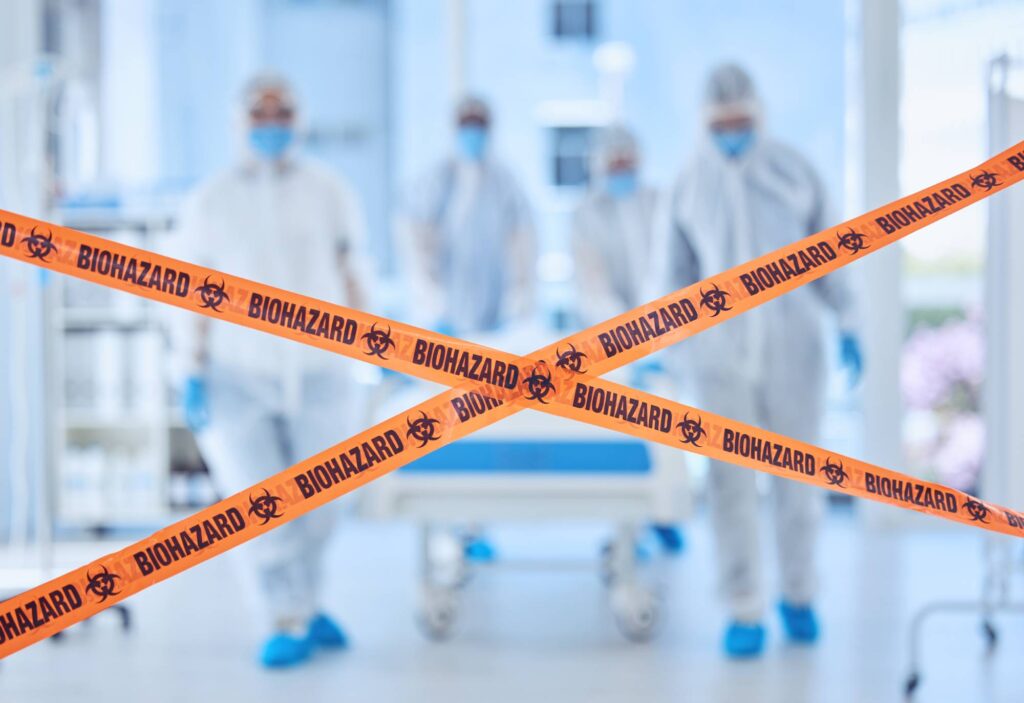
Navigating regulatory requirements, handling hazardous materials safely, and coordinating with various stakeholders are just a few challenges faced by hazmat cleaning companies during cleanup operations. Overcoming these challenges requires expertise, preparedness, and adaptability.
Best Practices for Safe and Effective Hazmat Cleanup
Implementing rigorous training programs, utilising advanced cleaning equipment, and maintaining open communication channels are key best practices for hazmat cleanup operations. Adhering to strict safety protocols and staying updated on industry standards are essential for ensuring successful cleanup outcomes.
Collaboration and Coordination with Emergency Services
Partnerships with Fire Departments and Emergency Response Agencies
Effective collaboration with fire departments and emergency response agencies is crucial for a coordinated hazmat response. Establishing strong partnerships ensures seamless communication, resource sharing, and a unified approach towards mitigating hazmat incidents.
Communication Protocols During Joint Hazmat Response Operations
Clear and efficient communication protocols play a vital role in joint hazmat response operations. Establishing communication channels, defining roles and responsibilities, and conducting regular drills help in streamlining operations and responding promptly to hazmat emergencies.
Future Trends in Hazmat Emergency Response in the UK
Technological Innovations Shaping the Future of Hazmat Cleanup
Advancements in technology, such as robotics, drones, and predictive analytics, are revolutionising hazmat cleanup operations. Embracing these technological innovations enhances efficiency, accuracy, and safety in responding to hazmat incidents.
Sustainability Practices in Hazmat Response and Cleanup
As environmental awareness grows, hazmat cleaning companies are increasingly adopting sustainable practices in their cleanup operations. From eco-friendly cleaning agents to waste management strategies, prioritising sustainability not only protects the environment but also improves overall cleanup effectiveness.
In conclusion, the emergency response capabilities of hazmat cleaning companies in the UK are vital in safeguarding public health and the environment from the dangers posed by hazardous materials. By adhering to strict regulations, investing in training and equipment, and fostering collaboration with emergency services, these companies continue to enhance their readiness and effectiveness in mitigating hazmat incidents.
As technology advances and sustainability practices evolve, the future of hazmat emergency response in the UK holds promise for more efficient and environmentally conscious cleanup efforts.