Extreme Toilet (WC) Faecal Matters Cleaning Checklist and DIY Guide
Cleaning an extreme toilet (WC) contaminated with faecal matter can be a daunting and hazardous task. It’s essential to approach this cleaning job with the right tools, protective gear, and techniques to ensure safety and thorough sanitation.

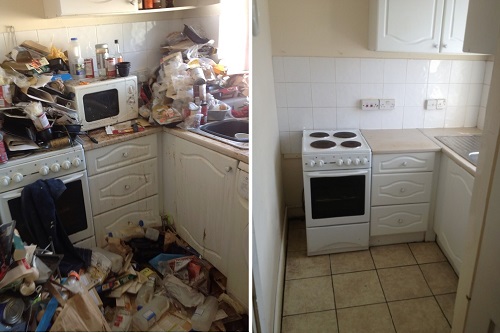
It is recommended that a biohazard cleaning company is hired in order to carry-out complete cleaning and sanitisation and in most cases decontamination course to the affected areas of the property.
Cliffy Cox is UK’s most recommended cleaning company for all your extreme cleaning needs under one roof. As a leading extreme cleaning company in UK, Cliffy Cox checks all the boxes whether it is disinfecting services, sanitisation, decontamination, ozone purification, and removal of hazardous waste and total biohazard cleaning solutions. Cliffy Cox is a major trauma scene and crime scene cleaning service provider and employees some of the most highly experienced extreme cleaners across England, Scotland and Wales.
Below is a comprehensive checklist and DIY guide to help you clean an extreme toilet effectively.
Extreme Toilet (WC) Faecal Matter Cleaning Checklist
1. Safety Precautions
- Personal Protective Equipment (PPE):
- Disposable gloves (preferably nitrile or latex)
- Face mask (N95 respirator or equivalent)
- Safety goggles or face shield
- Full-body coveralls (disposable, if possible)
- Waterproof boots or shoe covers
- Ventilation:
- Ensure the area is well-ventilated by opening windows or using an exhaust fan.
- First Aid Kit:
- Have a first aid kit nearby in case of accidental contact with contaminated materials.
2. Cleaning Supplies
- Heavy-duty cleaning agents:
- Disinfectants (bleach solution, hydrogen peroxide, or commercial disinfectants specifically designed for biohazard cleaning)
- Toilet bowl cleaner (with strong antibacterial properties)
- Tools and Equipment:
- Scrub brushes (with long handles for safety)
- Disposable sponges and cloths
- Buckets (for mixing cleaning solutions)
- Spray bottles (for applying disinfectants)
- Heavy-duty trash bags (for disposing of contaminated materials)
- A mop and disposable mop heads (for cleaning the floor)
- Paper towels
- Odour Neutralisers:
- Deodorising sprays or air fresheners designed for bathroom use
- Baking soda (for odour absorption)
3. Preparation
- Remove any movable items:
- Take out rugs, towels, and any other items that could be contaminated. Wash them separately in hot water with a strong detergent.
- Assess the area:
- Identify the extent of contamination, including walls, floors, and adjacent areas that may have been splashed or touched by faecal matter.
DIY Guide for Cleaning Extreme Toilet (WC) Faecal Matter
Step 1: Initial Cleaning
- Remove Solid Waste:
- Use disposable tools (such as paper towels or disposable spatulas) to carefully remove as much solid waste as possible. Place this waste directly into heavy-duty trash bags.
- Dispose of Waste Properly:
- Seal the trash bags tightly and dispose of them according to local regulations, ideally in a biohazard waste facility.
Step 2: Disinfection and Deep Cleaning
- Prepare Disinfectant Solution:
- Mix a bleach solution (1 part bleach to 10 parts water) or use a commercial disinfectant suitable for biohazards.
- Apply Disinfectant:
- Liberally spray the disinfectant on all contaminated surfaces, including the toilet bowl, seat, lid, flush handle, and surrounding areas (walls, floors).
- Allow the disinfectant to sit for at least 10 minutes to ensure it kills bacteria and viruses.
- Scrub the Toilet:
- Use a scrub brush to clean the inside of the toilet bowl. Pay special attention to areas under the rim and in the siphon jet.
- Scrub the exterior of the toilet, including the base and any crevices where faecal matter may have lodged.
- Clean Adjacent Areas:
- Use disposable cloths or sponges to clean walls, floors, and any other surfaces contaminated with faecal matter.
- Rinse these areas with clean water and wipe them down with disinfectant again.
Step 3: Floor Cleaning
- Mop the Floor:
- Mop the floor using a disinfectant solution. Change the mop head frequently to avoid spreading contamination.
- Focus on the area around the toilet and any other places where faecal matter may have splashed.
- Rinse and Dry:
- Rinse the floor with clean water and mop it dry. This helps to remove any residual cleaning agents and prevents slippery surfaces.
Step 4: Final Disinfection and Odour Control
- Final Wipe Down:
- After the initial cleaning, give the toilet and surrounding area another wipe down with a fresh disinfectant solution.
- Pay extra attention to high-touch areas like the flush handle, door handles, and light switches.
- Odour Neutralisation:
- Sprinkle baking soda around the toilet area to absorb any lingering odours. Let it sit for a few hours before vacuuming or sweeping it up.
- Use a deodorising spray or air freshener to leave the bathroom smelling clean and fresh.
Step 5: Disposal and Cleanup
- Dispose of Used Materials:
- Place all used cleaning materials (gloves, sponges, cloths) in heavy-duty trash bags. Seal the bags tightly and dispose of them appropriately.
- Wash Hands Thoroughly:
- After removing gloves, wash your hands thoroughly with soap and warm water for at least 20 seconds.
- Clean and Disinfect Equipment:
- Clean all reusable cleaning tools (like buckets and scrub brushes) with a disinfectant solution and allow them to air dry.
Additional Tips
- Frequent Cleaning: In situations where extreme contamination is an ongoing issue, implement a regular cleaning schedule to prevent the buildup of faecal matter.
- Professional Help: If the contamination is severe or if you are uncomfortable handling it yourself, consider hiring a professional biohazard cleaning service. They have the expertise and equipment to handle such situations safely and effectively.
- Regular Maintenance: Ensure that plumbing issues are addressed promptly to avoid future backups or overflows that could lead to extreme contamination.
Conclusion
Cleaning an extreme toilet contaminated with faecal matter requires careful planning, the right protective gear, and thorough cleaning techniques to ensure that all contaminants are removed safely. By following this checklist and guide, you can restore your toilet to a sanitary condition. If the situation feels overwhelming, don’t hesitate to seek professional help to ensure the job is done correctly.