Crime scene cleaning: a behind the scenes look at the job
Crime scene cleaning is a crucial yet often overlooked aspect of law enforcement and public safety. Beyond the dramatic portrayals seen in television shows and movies, the individuals who specialise in this field play a vital role in restoring spaces to a safe and habitable condition after a traumatic event.
In this article, we will delve into the world of crime scene cleaning, shedding light on the training, equipment, safety protocols, and emotional challenges faced by professionals in this unique industry. Additionally, we will explore the legal and regulatory considerations that guide their work, as well as provide insights into the future trends shaping the crime scene cleaning landscape.

Introduction to Crime Scene Cleaning
So, you’re curious about crime scene cleaning, huh? Well, buckle up because it’s not all glamorous like on TV. This behind-the-scenes job involves the nitty-gritty of cleaning up blood, bodily fluids, and other gruesome stuff left behind after a crime. It’s not for the faint of heart, that’s for sure.
Definition and Scope of Crime Scene Cleaning
Crime scene cleaning, also known as biohazard remediation, is the process of cleaning, sanitising, and decontaminating a crime or trauma scene cleaning. This includes removing biohazardous materials, such as blood, bodily fluids, and tissues, and restoring the area to a safe and habitable condition.
The Importance of Proper Cleanup
Proper cleanup of a crime scene is crucial for several reasons. It helps prevent the spread of infectious diseases, protects the health and safety of the community, and provides closure for the families and loved ones affected by the tragedy. Plus, nobody wants a crime scene to turn into a horror movie set, right?
Training and Certification Requirements
Now, let’s talk about what it takes to get into the crime scene cleaning game. It’s not as simple as grabbing a mop and some bleach. You’ll need proper training and certification to handle biohazardous materials safely and effectively.
Overview of Training Programs
Training programs for crime scene cleaners typically cover topics such as bloodborne pathogens, biohazard cleanup procedures, safety protocols, and proper use of personal protective equipment. Some courses even include hands-on training in simulated crime scenes – talk about getting your hands dirty!

Certifications and Licenses Needed
To work as a crime scene cleaner, you’ll likely need certification from organizations like the Institute of Inspection Cleaning and Restoration Certification (IICRC) or the Occupational Safety and Health Administration (OSHA). Some states also require specific licenses for handling biohazardous materials – because cleaning up blood isn’t your average janitorial job.
Equipment and Tools Used in Crime Scene Cleaning
Let’s face it, you can’t clean up a crime scene with just a sponge and some elbow grease. Crime scene cleaners use a variety of specialist equipment and tools to safely and effectively sanitise and decontaminate crime scenes.
Protective Gear and Clothing
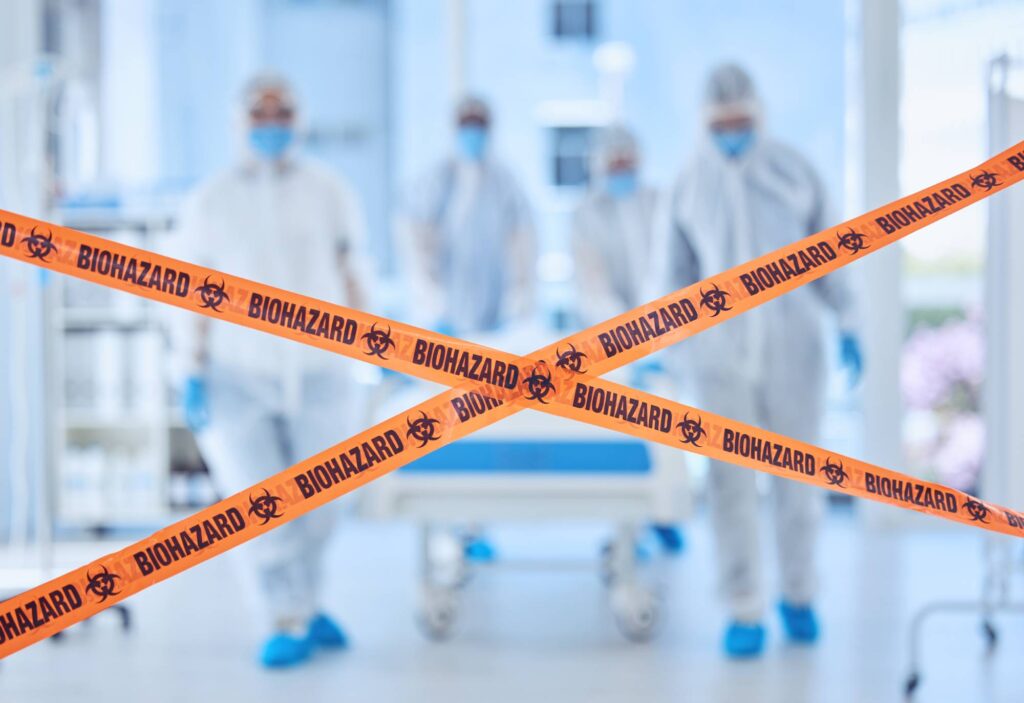
Crime scene cleaners suit up like they’re going into battle – think hazmat suits, gloves, respirators, and eye protection. It’s not exactly a fashion statement, but hey, safety first!
Cleaning Agents and Chemicals
Forget about your everyday household cleaners – crime scene cleaners use industrial-strength disinfectants and chemicals to tackle biohazards. These powerful agents are designed to kill bacteria, viruses, and other pathogens lurking in crime scenes. It’s like spring cleaning on steroids.

Safety Protocols and Procedures
When it comes to crime scene cleaning, safety is non-negotiable. From hazard assessment to proper disposal of biohazardous materials, crime scene cleaners follow strict protocols and procedures to protect themselves and others from potential risks.
Hazard Assessment and Risk Management
Before diving into a crime scene cleanup, cleaners assess potential hazards and risks to develop a plan of action. This includes identifying biohazardous materials, assessing structural damage, and determining the safest approach to cleaning and decontamination.
Proper Disposal of Biohazardous Materials
Once the crime scene is cleaned and sanitised, the job isn’t done yet. Crime scene cleaners must follow strict guidelines for the proper disposal of biohazardous materials, such as blood-soaked materials, tissues, and contaminated cleaning supplies. It’s not exactly glamorous, but someone’s got to do it – and that someone is a crime scene cleaner.
Decontamination Process and Techniques
Steps Involved in Crime Scene Cleanup
Cleaning up a crime scene is like a macabre dance where the cleaners carefully waltz through bloodstains and biohazards. The process typically involves removing biohazardous materials, sanitising the area, and restoring it to a safe state. It’s not all glamour and glory, but someone’s got to do it!
Specialist Cleaning Techniques for Different Situations
Crime scenes come in all shapes and sizes, from gruesome murders to hoarding situations. Cleaners need to be versatile like a Swiss Army knife, employing different techniques for each scenario. Whether it’s using UV lights to detect bodily fluids or specialist chemicals to eradicate odours, these folks are the real MVPs of cleanliness.
Emotional and Psychological Challenges Faced by Crime Scene Cleaners

Impact of Traumatic Scenes on Cleaners
Scrubbing away the remnants of violence and tragedy can take a toll on even the toughest of souls. Crime scene cleaners often witness the worst side of humanity, and it’s not all rainbows and unicorns. The emotional scars can run deep, leaving cleaners grappling with nightmares and PTSD.
Coping Strategies and Support Systems
To survive in the crime scene cleaning jungle, cleaners need more than just bleach and elbow grease. They rely on support systems, therapy, and the occasional dose of dark humour to lighten the mood. It’s like a twisted version of self-care, but hey, whatever floats their mop!
Legal and Regulatory Considerations in Crime Scene Cleaning
HSE Regulations and Compliance
When it comes to cleaning up blood, guts, and other bodily fluids, safety is key. OSHA regulations govern the proper handling and disposal of biohazards to protect both cleaners and the environment. Compliance is non-negotiable, unless you fancy a hefty fine or a one-way ticket to legal town.
Insurance and Liability Issues
Crime scene cleaning isn’t just about scrubbing away stains; it’s a legal minefield waiting to detonate. Cleaners need insurance coverage tighter than a hazmat suit to shield themselves from lawsuits and liability claims. It’s like playing a high-stakes game of legal poker, but with fewer chips and more bodily fluids.
Future Trends in Crime Scene Cleaning Industry
 Advancements in Cleaning Technologies
Forget about your grandma’s mop and bucket; the crime scene cleaning industry is stepping into the future with cutting-edge technologies. From robotic cleaners to DNA-based cleaning solutions, the future is bright (and squeaky clean) for these unsung heroes of hygiene.
Emerging Practices and Standards
As society becomes more aware of the importance of proper cleaning and decontamination, new practices and standards are constantly evolving. Crime scene cleaners are at the forefront of these changes, shaping the industry’s future one bloodstain at a time. It’s like watching a crime scene cleaning revolution unfold, and it’s oddly satisfying.
In conclusion, crime scene cleaning is a demanding and essential profession that requires a unique blend of technical expertise, compassion, and resilience.
By gaining a deeper understanding of the intricacies involved in this line of work, we can appreciate the dedication and professionalism of those who ensure that affected areas are restored with care and precision.
As the industry continues to evolve and innovate, it is clear that the commitment to upholding safety standards and supporting the well-being of both clients and cleaners will remain paramount.