Crime Scene Cleaning: Dealing with the aftermath of a crime scene in UK
Dealing with the aftermath of a crime scene involves a specialized and meticulous approach to ensure that the area is thoroughly cleaned, decontaminated, and restored to a safe state. Crime scene cleaning is not only about removing visible evidence but also about addressing potential biohazards, psychological impacts, and legal considerations.
Cliffy Cox is one of the best crime scene cleaning companies in UK. And you may call them anytime on +44 7506 709450
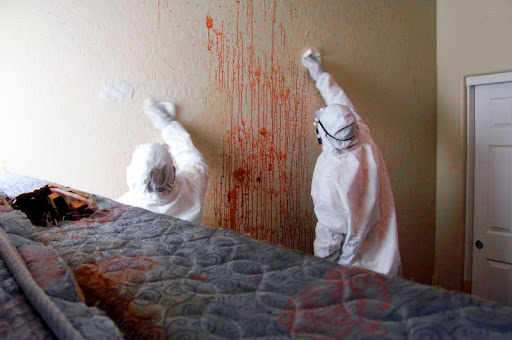
Crime scene cleaning may involve highly specialist cleaning services. For which you require a biohazard cleaning company to carry-out several services including disinfecting, odour elimination, sanitisation, decontamination, biohazard cleanup, ozone purification and removal of waste.
Here’s a comprehensive guide on how to handle crime scene cleaning:
1. Understand the Nature of the Crime Scene
- Type of Crime: The nature of the crime (e.g., homicide, assault, burglary) will determine the extent of the cleaning required. Violent crimes often result in the presence of blood, bodily fluids, and other biohazards, while non-violent crimes may involve property damage or contamination.
- Biohazard Risks: Crime scenes may contain bloodborne pathogens, bodily fluids, drug residues, or other hazardous materials that pose health risks. These need to be handled with extreme caution.
2. Contact the Authorities
- Police and Medical Examiner: Before any cleanup begins, ensure that the authorities, including the police and medical examiner, have completed their investigations. Do not disturb the crime scene until you have clearance.
- Documentation: If applicable, take photographs or notes before the cleanup begins, as this may be required for insurance claims or legal purposes.
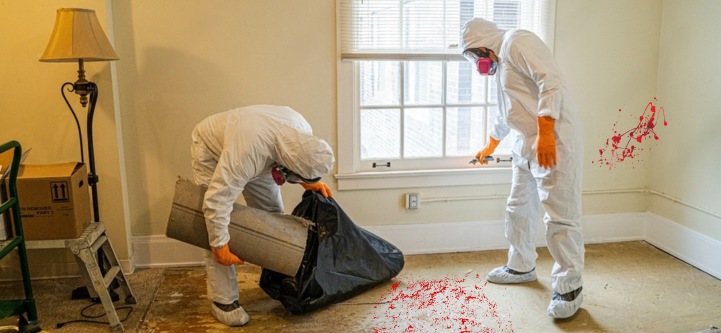
3. Hire a Professional Crime Scene Cleaning Service
- Specialized Professionals: Due to the hazardous nature of crime scene cleanup, it is highly recommended to hire professional biohazard remediation specialists. These companies are equipped with the necessary training, experience, and equipment to handle the situation safely and effectively.
- Certification and Licensing: Ensure that the cleaning service is certified and licensed to handle biohazard materials, adhering to local regulations and safety standards.
4. Personal Protective Equipment (PPE)
- Wear PPE: If you must handle any part of the cleanup, make sure to wear proper PPE, including:
- Heavy-duty gloves (nitrile or latex)
- Face mask or respirator (N95 or higher)
- Safety goggles
- Protective suit (disposable)
- Boot covers
- Safety First: PPE is crucial to protect against exposure to harmful pathogens and chemicals present at the crime scene.

5. Secure and Isolate the Area
- Limit Access: Restrict access to the affected area to prevent contamination of other parts of the property and to ensure safety.
- Ventilation: Open windows and use fans to ventilate the area, which helps to disperse odours and improve air quality.
6. Initial Cleanup
- Remove Biohazardous Materials: The first step in cleaning is to remove all visible biohazardous materials, including blood, bodily fluids, and any other contaminants. Use absorbent materials to soak up liquids and carefully collect solid waste.
- Dispose of Contaminated Items: Items that are heavily contaminated, such as carpets, furniture, bedding, or personal belongings, should be removed and disposed of as biohazard waste. Place them in designated biohazard bags for proper disposal.
7. Disinfection and Decontamination
- Use Biohazard Cleaning Solutions: Apply a hospital-grade disinfectant or a specialized biohazard cleaner to all affected surfaces. These cleaners are formulated to kill pathogens, bacteria, and viruses that may be present.
- Thorough Scrubbing: Scrub hard surfaces like floors, walls, and counters with disinfectant to ensure all contaminants are removed. Pay attention to cracks, crevices, and any areas where fluids may have seeped.
- Enzyme Cleaners: For porous materials like flooring or upholstery, use enzyme cleaners that break down organic matter and help remove stains and odours.
8. Odour Removal
- Odour Neutralisers: After cleaning, use odour-neutralising sprays, gels, or powders to address any lingering smells. This is especially important in cases involving decomposition.
- Ozone Treatment: Consider using an ozone generator, which releases ozone gas to eliminate odours by breaking down odour-causing molecules. This should be done with caution and only when the area is unoccupied.
9. Dispose of Biohazard Waste Properly
- Biohazard Disposal: All biohazardous waste, including contaminated materials and cleaning supplies, should be placed in biohazard bags and disposed of according to local regulations.
- Licensed Waste Disposal: Contact a licensed biohazard waste disposal service to ensure all waste is handled in compliance with health and safety laws.
10. Restoration and Repair
- Property Restoration: After decontamination, assess the need for repairs or restoration. This may involve repainting walls, replacing flooring, or repairing any structural damage caused by the crime.
- Deep Cleaning: Conduct a deep cleaning of the entire area to remove any remaining contaminants and restore the property to a safe, liveable condition.
11. Emotional and Psychological Aftercare
- Seek Counselling: Exposure to a crime scene can be traumatic. Whether you are directly involved or responsible for the cleanup, consider seeking counselling to process the emotional impact.
- Support Groups: Engage with support groups or crisis counsellors who specialise in trauma recovery to help cope with the psychological aftermath of the crime.

12. Final Inspection and Documentation
- Inspection: Once the cleaning and restoration are complete, conduct a thorough inspection to ensure all traces of the crime scene have been removed and the area is safe for reoccupation.
- Document the Cleanup: Keep records of the cleaning process, including photographs and descriptions of the work performed. This documentation may be required for insurance claims or legal proceedings.
13. Legal and Insurance Considerations
- Insurance Claims: Contact your insurance provider to file a claim for the costs associated with crime scene cleanup. Provide any necessary documentation to support your claim.
- Legal Compliance: Ensure that all aspects of the cleanup, including biohazard disposal and restoration, comply with local laws and regulations.

14. Preventive Measures
- Security Enhancements: After a crime, consider enhancing security measures to prevent future incidents. This could include installing security cameras, alarms, or additional locks.
- Regular Maintenance: Maintain the cleanliness and security of the property to ensure it remains safe and habitable.
Conclusion
Crime scene cleanup is a complex and sensitive task that requires professionalism, attention to detail, and compassion. It’s essential to approach the situation with care, prioritizing safety and emotional well-being.
Whenever possible, enlisting the help of professional crime scene cleaners is recommended to ensure the area is properly decontaminated and restored. By following these steps, you can effectively manage the aftermath of a crime scene and begin the process of healing and recovery.