what cleaning products are required to clean a crime scene
Cleaning a crime scene, especially one involving blood, bodily fluids, or other biohazard cleanup, requires specialist cleaning products and equipment to ensure the area is thoroughly decontaminated and safe for future use.
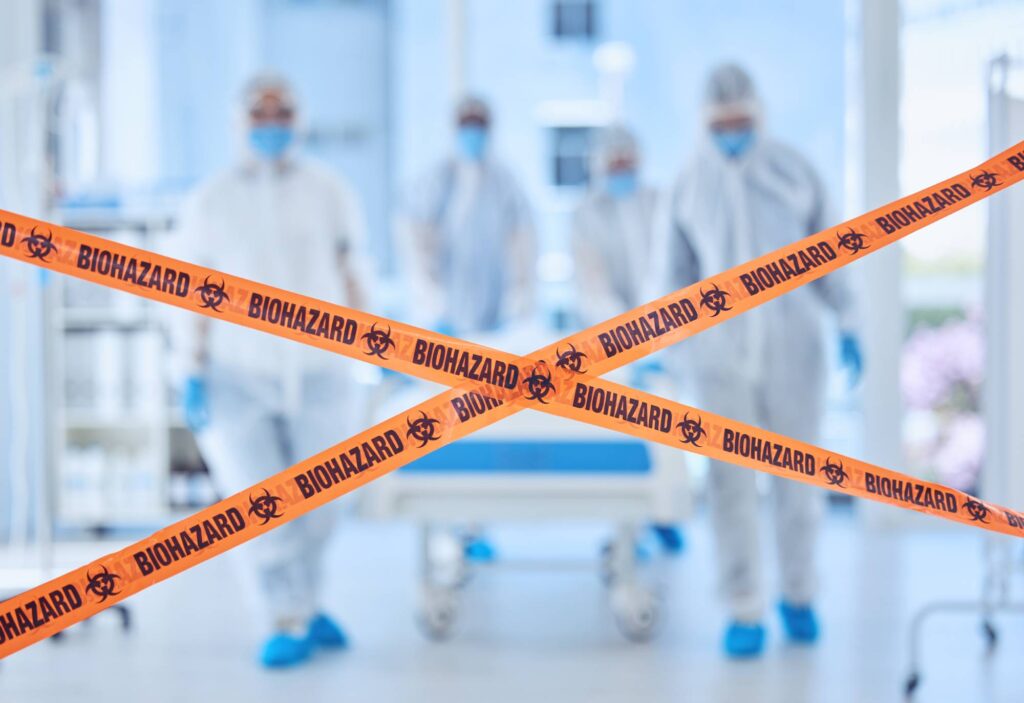
Here are the essential cleaning products and tools typically used:
1. Personal Protective Equipment (PPE)
- Gloves: Nitrile or latex gloves to protect hands from contaminants.
- Face Masks/Respirators: To protect from inhaling harmful particles or fumes.
- Goggles/Face Shields: Eye protection from splashes.
- Protective Suits: Full-body suits made from materials like Tyvek to prevent contamination of clothing and skin.
- Boot Covers: To prevent spreading contaminants outside the crime scene.
2. Disinfectants and Cleaning Agents
- Hospital-Grade Disinfectants: EPA-registered disinfectants capable of killing bacteria, viruses, and fungi. Common ingredients include quaternary ammonium compounds, hydrogen peroxide, or chlorine bleach.
- Enzyme Cleaners: Useful for breaking down organic material such as blood, urine, or other bodily fluids.
- Bleach Solutions: Sodium hypochlorite-based bleach is often used for its effectiveness in killing pathogens. Usually diluted to a 1:10 ratio with water for safe use.
- Phenolic Disinfectants: Effective against a wide range of pathogens, often used in healthcare settings.
- Antimicrobial Sprays: Used to prevent the growth of bacteria and mould on surfaces after cleaning.
3. Absorbent Materials
- Biohazard Absorbent Pads: Used to soak up large amounts of blood or bodily fluids.
- Absorbent Granules or Powders: Sprinkle over liquids to absorb them quickly, making cleanup easier.
- Spill Kits: Pre-packaged kits that include absorbents, disinfectants, and disposal bags for dealing with biohazard spills.
4. Tools and Equipment
- Biohazard Bags: Red or yellow bags used to safely dispose of contaminated materials.
- Sharps Containers: For the safe disposal of needles or other sharp objects found at the scene.
- Mops and Buckets: Dedicated, often disposable, mops and buckets used exclusively for biohazard cleanup.
- Scrapers and Shovels: For removing dried or caked-on biological material.
- HEPA Vacuum Cleaners: High-efficiency particulate air vacuums for removing fine particles and contaminants from surfaces.
- Foggers: Used for applying disinfectants in a fine mist to ensure complete coverage, particularly in areas that are hard to reach.
5. Odor Neutralizers
- Ozone Generators: Used to neutralise odours by breaking down odour-causing molecules.
- Activated Charcoal: Absorbs odours and can be placed in areas where smells are persistent.
- Deodorizing Sprays: Specifically formulated to eliminate odours associated with decomposition or blood.
6. Specialized Cleaning Products
- Bloodborne Pathogen Cleanup Kits: Include everything needed to clean and disinfect areas contaminated with blood.
- Enzymatic Cleaners: Break down organic materials such as blood and tissue, making them easier to clean.
- Surface Sealants: After cleaning and disinfecting, some surfaces may need to be sealed to prevent contamination from seeping into porous materials.
7. Disposal Supplies
- Autoclave Bags: For sterilizing waste before disposal.
- Labelling and Documentation: Proper labelling of biohazard waste is essential for safe disposal and compliance with regulations.
Important Considerations:
- Compliance with Regulations: It’s critical to use products and methods that comply with local, state, and federal regulations, such as those set by HSE and OSHA (Occupational Safety and Health Administration) and the EPA (Environmental Protection Agency).
- Certification and Training: Those involved in crime scene cleanup should have proper certification and training in handling biohazards and using the necessary cleaning products and equipment.
Professional crime scene cleaners are trained to use these products safely and effectively, ensuring that all traces of biohazards are removed and the area is safe for reoccupation.