Forensic Clean Up: History Of Forensic Cleaning
Forensic clean up plays a crucial role in restoring safety and order in environments impacted by traumatic incidents, criminal activities, accidents, or biohazard. This specialist field involves the meticulous cleaning, sanitising, and decontamination of areas to ensure the effective removal of biohazards, pathogens, and other dangerous substances.
Understanding the importance of forensic clean up, the intricate processes involved, and the legal and ethical considerations is essential for both professionals in the industry and the general public.
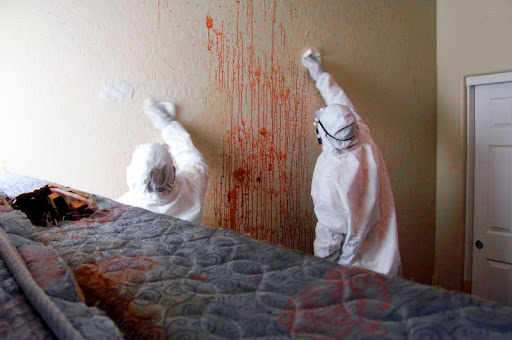
In this article, we will delve into the world of forensic clean up, exploring its significance, methodologies, tools and techniques, as well as the challenges and regulations that govern this critical aspect of public health and safety in UK.
Introduction to Forensic Clean up
Forensic clean up is like the superhero of cleaning services, but instead of battling dirt and grime, it tackles biohazards and crime scenes with a forensic twist.
Definition of Forensic Clean up
Forensic clean up involves the thorough cleaning, sanitising, and restoration of environments contaminated with biohazards, blood, bodily fluids, or other potentially infectious materials. Think of it as CSI meets cleaning service.
History of Forensic Clean up
Forensic clean up has emerged as a specialist niche in the cleaning industry, with professionals trained to handle hazardous materials and sensitive situations. It’s a relatively recent development, but its importance in maintaining public health and preserving evidence has made it a crucial service in UK.
Importance of Forensic Clean up
Forensic clean up goes beyond just scrubbing surfaces clean—it plays a vital role in promoting public health and safety, as well as ensuring the integrity of evidence in crime scenes.
Promoting Public Health and Safety
By swiftly and effectively cleaning up biohazards and crime scenes, forensic clean up helps prevent the spread of infectious diseases and contaminants, safeguarding the health and well-being of communities and first responders across UK towns.
Preservation of Evidence
Forensic clean up professionals are trained to handle evidence with care, ensuring that crucial clues and materials are preserved during the cleaning process. This attention to detail is essential for investigations and legal proceedings.
Process of Forensic Clean up
The forensic clean up process involves a series of meticulous steps, from initial assessment and planning to thorough cleaning, disinfection, and restoration.
Assessment and Planning
Forensic clean up experts evaluate the scope of contamination, develop a detailed cleaning plan, and ensure that all safety protocols and regulations are followed as per UK laws.
Cleaning and Disinfection
Using specialist techniques and equipment, forensic clean up teams meticulously clean and disinfect affected areas, removing all traces of biohazards and contaminants.

Decontamination and Restoration
Once the clean up is complete, the area undergoes thorough decontamination and restoration to ensure that it is safe, habitable, and free from any lingering hazards.
Tools and Techniques Used in Forensic Clean up
Forensic clean up professionals rely on a range of tools and techniques to safely and effectively clean up biohazards and crime scenes, including specialist personal protective equipment and cleaning agents.
Personal Protective Equipment (PPE)
From hazmat suits and respirators to gloves and goggles, PPE is essential for safeguarding clean up crews from exposure to hazardous materials and ensuring their safety throughout the cleaning process.
Specialist Cleaning Agents
Forensic clean up teams use powerful cleaning agents and disinfectants that are specially formulated to neutralise biohazards, eliminate odours, and restore affected areas to a safe and sanitary condition. These products are designed to be effective yet gentle on surfaces.
Legal and Ethical Considerations in Forensic Clean up
When it comes to forensic clean up, there are important legal and ethical considerations that must be addressed. From regulatory compliance to confidentiality and privacy issues, professionals in this field must navigate a complex landscape.
Regulatory Compliance
Forensic clean up companies must adhere to strict regulations set forth by England, Scotland and Welsh laws. These regulations cover everything from proper waste disposal to ensuring the safety of clean up crew members and the public. Violating these regulations can result in fines and legal consequences.
Confidentiality and Privacy Issues
Maintaining confidentiality and respecting privacy are crucial in forensic clean up. Clean up crews often work in sensitive environments, such as crime scenes or biohazard sites, where discretion is paramount. Protecting the privacy of individuals involved in these incidents is essential to upholding professional standards.
Challenges Faced in Forensic Clean up
Forensic clean up is not for the faint of heart. Clean up crews encounter numerous challenges, both physical and emotional, that can take a toll on their well-being.
Emotional Impact on Clean up Crew
Cleaning up after traumatic events can have a profound emotional impact on clean up crew members. Dealing with the aftermath of violent crimes or accidents requires a strong stomach and a resilient mindset. Providing support and resources for mental health is crucial in this line of work.
Dealing with Hazardous Materials
Forensic clean up often involves handling hazardous materials, such as bloodborne pathogens or chemical contaminants. Clean up crews must be trained in proper safety protocols and equipped with the appropriate personal protective equipment to mitigate risks and protect themselves from harm.
Training and Certification for Forensic Clean up Professionals
To excel in the field of forensic clean up, professionals must undergo rigorous training and obtain certifications that validate their expertise.
Educational Requirements
Individuals pursuing a career in forensic clean up typically need a background in biohazard clean up, crime scene clean up, or related fields. A strong foundation in biology, chemistry, and safety procedures is essential to effectively handle the challenges of this profession in situations like unattended death clean up and in unfortunate cases such as suicide clean up.
Certification Programs
There are various certification programs available for forensic clean up professionals, offered by organisations such as the American Bio-Recovery Association (ABRA) or the Institute of Inspection, Cleaning and Restoration Certification (IICRC). These programs provide comprehensive training in industry best practices and ensure that professionals meet the highest standards of quality and professionalism.
In conclusion, forensic clean up is a demanding yet vital profession that requires a combination of technical expertise, ethical considerations, and emotional resilience. By addressing legal and ethical concerns, overcoming challenges, and obtaining proper training and certification, professionals in this field can provide essential services with professionalism and compassion.
In conclusion, forensic clean up is not just about restoring physical spaces; it is about providing peace of mind and closure to those affected by traumatic events. The dedication, expertise, and attention to detail exhibited by forensic clean up professionals make a lasting impact on communities and individuals facing difficult circumstances.
By upholding high standards of cleanliness, safety, discretion and compassion, these professionals contribute significantly to the restoration of a sense of normalcy and well-being in the aftermath of challenging situations.
As we continue to recognise the importance of forensic clean up in safeguarding public health and promoting recovery, it is clear that their work is invaluable in maintaining the integrity and safety of our shared environments.
Frequently Asked Questions (FAQ) about Forensic Clean up
What types of situations require forensic clean up services?
Is forensic clean up only necessary in crime scenes?
Are there specific regulations governing forensic clean up practices?
How can individuals pursue a career in forensic clean up?