Smoke Damage Cleaning: Cleaning soot after a fire
Cleaning soot after a fire requires careful attention and specialist techniques to remove smoke damage effectively. Soot and smoke residues can be harmful, not only to the property but also to your health, so it’s important to handle the cleanup process with the right precautions and methods.
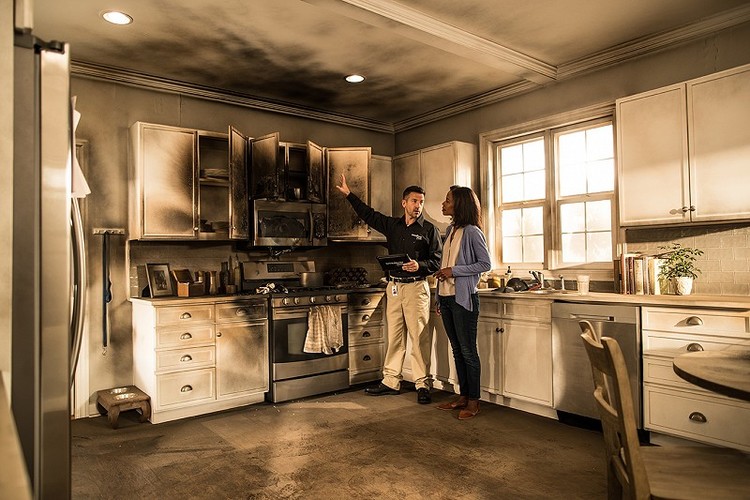
Here’s a comprehensive guide on how to clean soot after a fire:
1. Safety First
- Wear Protective Gear: Always wear protective gear, including gloves, a dust mask or respirator, goggles, and old clothing that covers your skin to avoid exposure to soot and harmful particles.
- Ventilate the Area: Open windows and doors to ventilate the area and allow fresh air to circulate. Use fans to help clear out smoke particles.
- Turn Off HVAC Systems: Turn off your heating, ventilation, and air conditioning (HVAC) system to prevent the spread of soot particles throughout the house.
2. Assess the Damage
- Evaluate the Extent of Soot: Before beginning the cleaning process, assess how much soot and smoke damage there is. If the damage is extensive, consider hiring a professional cleaning service, as they have the necessary equipment and expertise to handle severe cases.
3. Dry Cleaning
- Use a Soot Sponge: A dry cleaning sponge, also known as a chemical sponge, is specifically designed to remove soot. Do not use water or cleaning solutions initially, as this can smear the soot and make it harder to clean.
- Gently Wipe Surfaces: Start by gently wiping the soot-covered surfaces with the dry sponge. Use a light touch to avoid grinding the soot into the surface. Replace the sponge or cut off dirty sections as they become saturated with soot.
4. Vacuuming
- Use a HEPA Vacuum: Use a vacuum with a high-efficiency particulate air (HEPA) filter to remove loose soot from surfaces, including walls, ceilings, and floors. Hold the vacuum nozzle slightly above the surface to avoid embedding the soot into the material.
- Avoid Brushing: Avoid using a brush attachment, as brushing can push soot deeper into the fabric or surface.
5. Wet Cleaning
- Prepare a Cleaning Solution: After dry cleaning, prepare a solution of warm water and mild detergent or a specialist soot removal cleaner. You can also mix a solution of water and white vinegar, which is effective for neutralising smoke odour.
- Test a Small Area: Before applying the cleaning solution to a large area, test it on a small, inconspicuous area to ensure it doesn’t damage the surface.
- Wipe Down Surfaces: Use a soft cloth or sponge to wipe down the affected areas with the cleaning solution. Work in small sections, rinsing the cloth frequently and changing the water as it becomes dirty.
- Rinse with Clean Water: After cleaning, rinse the surfaces with clean water to remove any residue from the cleaning solution. Use a separate cloth for this step.
- Dry Thoroughly: Use clean, dry towels or cloths to thoroughly dry the surfaces. Moisture left behind can cause further damage or encourage mould growth.
6. Cleaning Specific Surfaces
Walls and Ceilings:
- Dry Sponge First: Use a dry soot sponge to remove as much soot as possible before applying any liquid cleaning solutions.
- Gentle Cleaning Solution: After dry cleaning, use a gentle cleaning solution and a soft sponge to clean the walls and ceilings.
Floors and Carpets:
- Vacuum First: Vacuum the carpets and floors using a HEPA vacuum to remove loose soot particles.
- Steam Cleaning: Consider steam cleaning carpets and rugs to remove any embedded soot and smoke odours.
- Mopping: For hard floors, mop with a cleaning solution designed for the specific floor type (e.g., hardwood, tile).
Furniture and Upholstery:
- Vacuum First: Start by vacuuming upholstered furniture to remove loose soot.
- Soot Sponge: Use a dry cleaning sponge to gently clean the upholstery, being careful not to rub the soot into the fabric.
- Professional Cleaning: For heavily soiled or delicate fabrics, consider hiring a professional upholstery cleaner.
Windows and Mirrors:
- Glass Cleaner: Clean windows and mirrors with a standard glass cleaner or a solution of water and vinegar to remove soot and streaks.
- Wipe Frames: Don’t forget to clean the window frames and sills, as they can also collect soot.
7. Dealing with Smoke Odour
- Air Purifiers: Use air purifiers with HEPA filters to help remove smoke particles and odours from the air.
- Baking Soda: Sprinkle baking soda on carpets, rugs, and furniture to absorb smoke odours. Leave it overnight and then vacuum it up.
- Charcoal: Place bowls of activated charcoal around the room to absorb odours.
- Ozone Treatment: Consider using an ozone generator, which can help eliminate smoke odours. This should be done by professionals, as ozone can be harmful if not used correctly.
8. Final Touches
- Wash Fabrics: Wash curtains, drapes, and other fabrics that may have absorbed smoke. Use a strong detergent and, if necessary, add a cup of vinegar to the wash cycle.
- Replace Filters: Replace air filters in your HVAC system and consider having the ducts cleaned to remove soot particles.
9. Professional Help
- Consider Professionals: For extensive soot and smoke damage, it’s often best to hire professional fire restoration services. They have specialist equipment, such as industrial air scrubbers and professional-grade cleaning solutions, to effectively restore your property.
Conclusion
Cleaning soot after a fire is a meticulous process that requires time, the right techniques, and safety precautions. By following these steps, you can effectively remove soot and smoke residues, restore your property to a clean state, and eliminate lingering odours. If the damage is extensive or if you’re unsure about any part of the process, seeking professional help is always a good idea to ensure the job is done thoroughly and safely.